

Custom Table Guide
Tips on how to design the table your family will gather around for decades.
Our Custom Table Process
Creating a custom table is a series of thoughtful decisions that shape not just a piece of furniture, but a centerpiece for your life. Our process guides you through each choice - from wood selection to final details - ensuring the finished piece reflects your style, meets your needs, and feels unmistakably yours. Here's how we'll work together to bring your vision to life.
Dining Tables
The heart of your home where memories are made. Perfect for family meals, entertaining guests, and creating lasting traditions.
Coffee Tables
The centerpiece of your living room that brings style and function together. Perfect for entertaining, displaying décor, or just putting your feet up.
Console Tables
Elegant and versatile pieces that make a statement without taking up much space. Perfect for narrow areas that need a touch of style.
Desk Tables
Functional workspace solutions designed for productivity and comfort. Whether you're working from home or pursuing hobbies, we'll create your perfect workspace.
Step 2: Select Wood Type
It's important when choosing the best wood for your custom piece, to consider these important details.
Durability & Hardness
Hardwoods like oak and maple offering superior resistance to dents for heavy use, while softer woods like pine add rustic character.
Color & Grain
Some woods will have rich, dark, warm tones while others will feature lighter, cleaner looks. Grain patterns can also vary significantly, from tight to prominent.
Cost & Lifestyle
Premium hardwoods may cost more than softwoods. It's also important to discuss how the table will be used and preferences for look and functionality.
All wood species are beautiful. But wood type impacts your dining table's style, strength, care needs, and budget. Pick what suits your lifestyle - not just what looks good. Here are some of the most popular wood types we work with.
Black Walnut
The crown jewel of American hardwoods, prized for its rich chocolate-brown color and sophisticated appearance.
White Oak
A timeless classic that's been used for centuries. Known for its strength, beautiful grain patterns, and versatility in any setting.
Hard Maple
One of the hardest domestic woods available, maple offers a clean, bright appearance that's perfect for contemporary spaces.
Cherry
Beloved for its warm, rich color that deepens beautifully over time. Cherry creates elegant, sophisticated furniture pieces.
1) Discovering Your Vision
This is where we explore what you truly want and need from your table.
Defining Purpose
How will you use this table? Daily family meals require durability and easy maintenance. Formal entertaining might prioritize elegance and extension capabilities. A multi-purpose table that serves as dining space and homework station needs different considerations than a showpiece for special occasions.
Establishing Style
What aesthetic speaks to you? Are you drawn to clean, modern lines or traditional craftsmanship details? Do you envision a rustic farmhouse table with visible wood character, or a refined piece with book-matched grain symmetry? We'll look at inspiration images together to identify the elements that resonate with you.
Understanding Your Space
Beyond measurements, how does your room feel? Is it formal or casual? Light-filled or cozy? Does it have architectural details we should complement or honor? Your table should feel like it belongs—neither dominating the space nor disappearing into it.
Considering Longevity
Are you furnishing a forever home or planning for future moves? Do you need flexibility for a growing family? These questions shape decisions about size, extensions, and adaptability.

.jpg)
Stain
When to Use Stain:
-
You want to showcase the wood's natural grain and character—stain enhances rather than hides the wood's beauty
-
You're working with high-quality wood like oak, walnut, maple or cherry that deserves to be seen
-
You prefer a more traditional, warm, organic look
-
The piece has interesting wood patterns or figuring you want to highlight
-
You're matching existing wood furniture in a room
-
You want a more subtle color change while keeping the wood visible

Paints
When to Use Paint:
-
You want to completely transform the piece with bold or specific colors
-
The wood quality is poor, mismatched, or has imperfections you'd like to hide
-
You're going for a modern, cottage, farmhouse, or coastal style
-
The furniture is laminate, veneer, or mixed materials that won't stain well
-
You want the piece to be a statement or accent in the room
-
You need durability - paint generally provides a more protective finish, especially with a topcoat
Step 4: Choose Your Edge Style
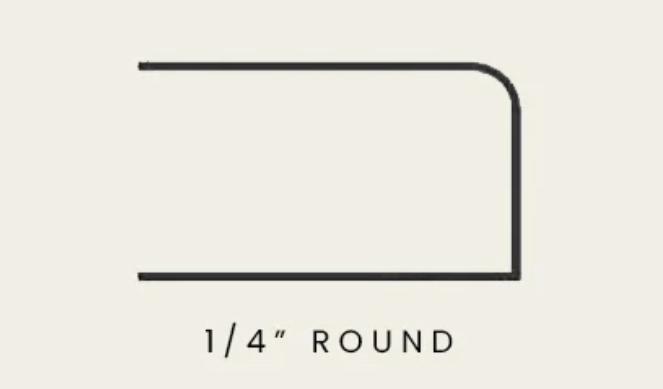
Choosing a table edge style depends on your desired aesthetic (modern, traditional, rustic), room function (safety for kids, visual lightness), and material, with options like straight/eased for clean looks, bullnose/roundover for family-friendly softness, beveled/chamfered for elegance, and ogee/thumbnail for classic detail. Here are a few options to make decision making easier.




Seating Capacity
The number of people who can sit at your table is determined by several factors like table size, chair width, table leg placement, and more. But the general rule for sizing your table is to allow 24 inches of space per person, with 2 - 6 inches additionally between chairs.
Table Shape
Choosing the right shape of table for your room or space is also critical. Rectangular tables are popular because they can be customized to varying lengths and widths and they typically flow with the shape of most rooms. Round tables, on the other hand, can make good use of space and make adding chairs easier.
Table Height
The standard recommended height for a dining table is 30 inches (for good reason), but consider your chair heights as well as chair arms when finalizing your table height.
Four-Leg Base
Traditional and versatile. Legs positioned at corners provide excellent stability.
Trestle Base
Two support structures connected by a center beam, providing maximum legroom and seating flexibility.
Pedestal Base
Central column(s) rising from a substantial base, eliminating corner legs entirely.

Extension Leaves
Expand your table for special occasions. Available in butterfly (self-storing) or removable styles. Typically adds 12"-24" per leaf.
Breadboard Ends
Perpendicular wood pieces on table ends that prevent warping and add traditional character. Classic detail for farmhouse and rustic styles.
Inlays & Accents
Contrasting wood species, epoxy resin rivers, or decorative patterns embedded into the surface. Creates unique, artistic focal points.
Built-In Storage
Drawers, shelves, or hidden compartments for storing placemats, utensils, or office supplies. Especially popular for desks and coffee tables.
